
As of October 20, a reliable day-by-day forecast for Thanksgiving week is not yet available. However, the latest outlooks from the National Oceanic and Atmospheric Administration (NOAA) provide an early indication of potential temperature and precipitation patterns across the United States.
NOAA’s Climate Prediction Center released its latest November outlook on October 15. The outlook favors warmer-than-normal conditions across much of the northern United States and along both coasts, while parts of the South and East Coast have an increased likelihood of above-normal precipitation during November. These trends offer useful seasonal context, but they do not establish what the weather will be like in individual cities on Thanksgiving Day.
What the Latest November Weather Outlook Shows
According to NOAA’s latest monthly outlook, above-normal temperatures are favored across the northern two-thirds of the contiguous United States and along the East and West coasts. The strongest indications of warmer-than-average conditions extend across parts of Washington, the interior Northwest, the Northern Plains, the Upper Mississippi Valley and the Great Lakes region.
The outlook is less certain across parts of the Southwest, Central Plains and Lower Mississippi Valley, where the probability of warmer, colder or near-normal temperatures remains more evenly balanced. Some areas may still experience temporary cold spells even when the monthly outlook favors above-average temperatures.
For Thanksgiving travelers, this distinction is important. A warmer-than-average monthly pattern does not rule out freezing temperatures, rain, snow or strong winds during a particular part of the holiday week. Conditions will depend on the weather systems that develop closer to the travel dates.
Rain and Snow Chances Across the United States
NOAA’s November precipitation outlook indicates an increased likelihood of above-normal precipitation across much of the southern United States and along the East Coast. Parts of the Southeast have particularly strong signals for wetter-than-average conditions.
Meanwhile, below-normal precipitation is favored across portions of the northern Intermountain West, the Northern Plains and the Great Lakes region. The outlook does not identify specific Thanksgiving-week storms or provide dependable city-by-city estimates of rainfall or snowfall.
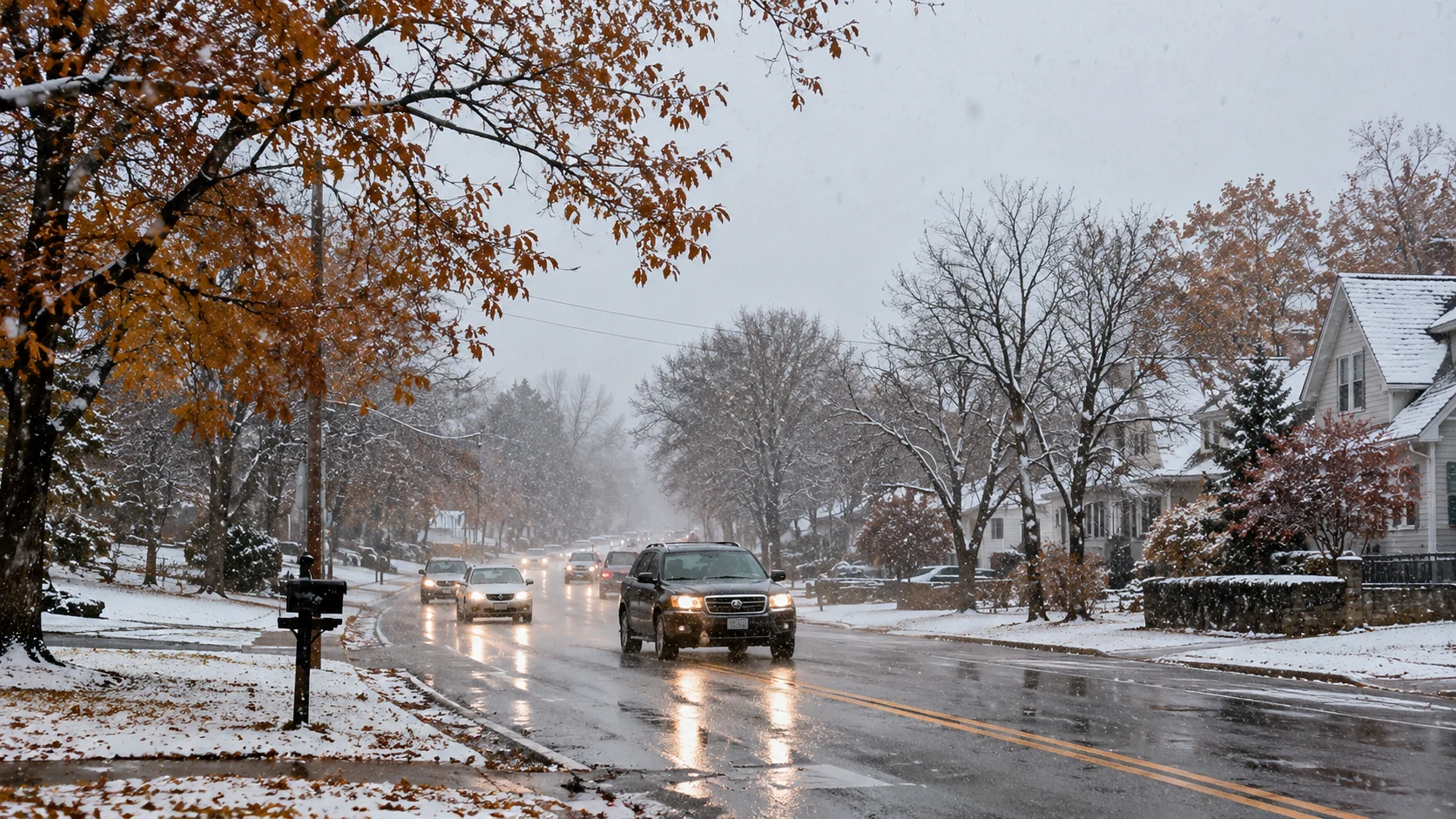
For travelers, precipitation patterns could become especially important when planning road trips or connecting flights. Rain can reduce visibility and create slippery roads, while any snow or ice that develops in colder locations could affect driving conditions. However, it is too early to determine whether these hazards will occur during the 2026 Thanksgiving travel period.
What the November–January Outlook Says About Winter Weather
NOAA’s broader November–December–January outlook, issued on October 15, also favors above-normal seasonal temperatures across much of the northern United States and the western third of the country. Southern Florida, the Ohio Valley and the Mid-Atlantic region are also included in the warmer-than-normal outlook.
For precipitation, NOAA favors wetter-than-normal conditions across much of California, the Southwest, the Central and Southern Plains, the Southeast and areas along the Eastern Seaboard. Below-normal precipitation is favored in parts of the Northern Rockies, High Plains and Great Lakes region.
These three-month trends can help describe the broader seasonal pattern, but they should not be interpreted as a specific forecast for Thanksgiving week. A seasonal outlook does not establish the timing, intensity or location of individual storms, and a wet seasonal signal does not mean that every day will be rainy.
Why the Thanksgiving Week Forecast Could Still Change
The Climate Prediction Center uses computer models, historical climate patterns, ocean temperatures and other atmospheric information to develop its monthly and seasonal outlooks. NOAA has identified a strengthening El Niño as an important influence on its broader outlooks for the coming months.
El Niño can influence large-scale temperature, rainfall and storm-track patterns, but its effects vary by region and over time. It cannot, by itself, determine whether a particular city will experience rain, snow, sunshine or a travel-disrupting storm on November 26.
The National Weather Service issues shorter-range outlooks covering periods such as six to 10 days and eight to 14 days. More detailed forecasts closer to Thanksgiving will provide a clearer picture of local temperatures, precipitation, wind and potential travel hazards.
What Travelers Should Watch Before Thanksgiving
Americans planning Thanksgiving travel should treat the current outlook as an early seasonal guide rather than a final forecast. Travelers heading to the northern states, mountainous areas or locations that commonly experience late-November winter weather should remain prepared for changing conditions.
Drivers should check local forecasts and road conditions before departure, allow extra time when adverse weather is possible, and review alternate routes. Air travelers should monitor airline notifications and airport conditions as the holiday approaches, especially if their itineraries include multiple connections.
NOAA’s monthly outlook is scheduled for an update on October 31, 2026. Further updates will help refine the broader temperature and precipitation picture before Thanksgiving week, although a reliable assessment of specific storms and local travel conditions will require shorter-range forecasts.
Bottom line: The latest Thanksgiving week weather forecast outlook points toward a warmer-than-normal November across much of the northern United States, with wetter-than-normal conditions favored in parts of the South and along the East Coast. These are broad climate trends, not a confirmed forecast for Thanksgiving Day. Travelers should watch for updated local forecasts as November 26 approaches.