
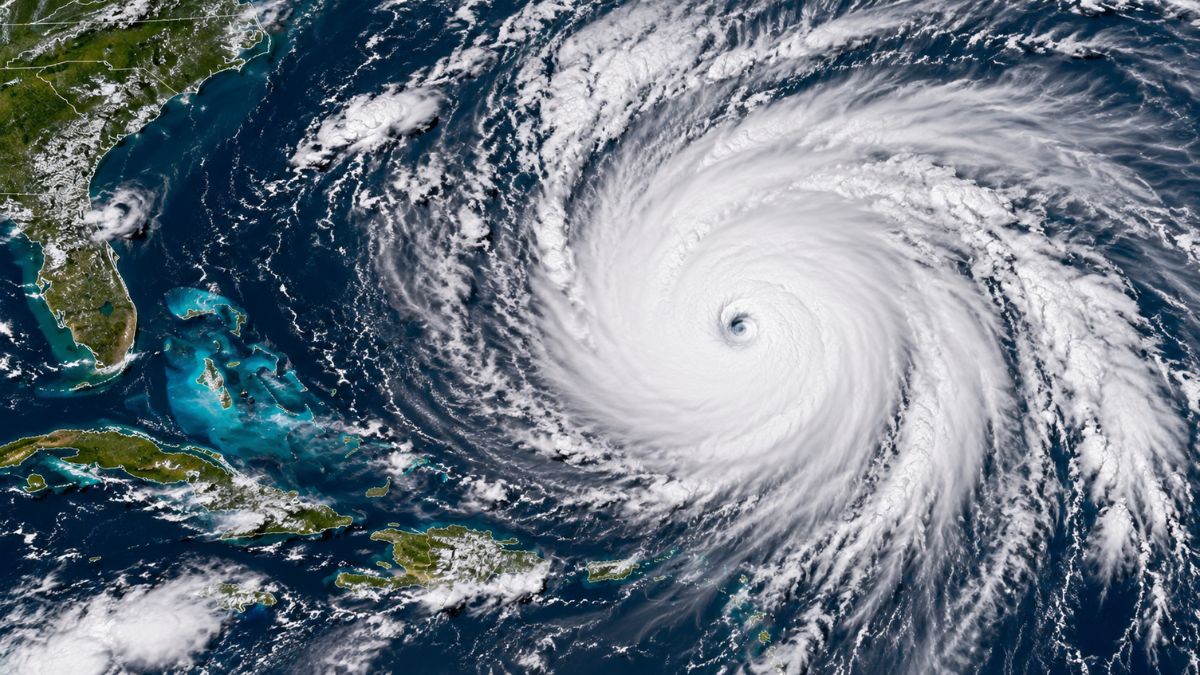
The National Hurricane Center (NHC), which monitors tropical weather systems across the Atlantic basin, provides official information about storm formation, projected paths, wind speeds, and potential land impacts. Readers looking for a Hurricane Josephine forecast should distinguish confirmed meteorological updates from speculation or unverified social media reports.
Has Hurricane Josephine Formed in 2026?
As of October 12, the latest available National Hurricane Center seasonal summary lists nine named Atlantic storms through October 11, with Isaias appearing as the ninth system. Josephine is not listed as a storm that has formed in the available seasonal record.
This distinction is important because tropical cyclone names are assigned in a predetermined order. Josephine is the name scheduled after Isaias on the 2026 Atlantic list. It would be used for a qualifying new tropical storm if the season’s naming sequence reaches that point.
Until meteorologists officially identify and name a system Josephine, there is no confirmed storm track, intensity, landfall location, or storm-specific forecast to report under that name.
Why Is Josephine on the 2026 Hurricane Name List?
The World Meteorological Organization maintains rotating lists of tropical cyclone names for different ocean basins. The National Hurricane Center uses the Atlantic list for qualifying tropical and subtropical storms in its area of responsibility.
The 2026 Atlantic list includes Arthur, Bertha, Cristobal, Dolly, Edouard, Fay, Gonzalo, Hanna, Isaias, Josephine, Kyle, Leah, Marco, Nana, Omar, Paulette, Rene, Sally, Teddy, Vicky, and Wilfred.
A name is assigned when a weather system meets the criteria for a tropical or subtropical storm. A system generally receives a name when its maximum sustained winds reach 39 mph. It becomes a hurricane when maximum sustained winds reach at least 74 mph.
Therefore, Josephine’s presence on the official list is a preparation measure for possible future storm development, not evidence that a hurricane has already formed.
Hurricane Josephine 2026 Forecast: What Is Known?
There is no confirmed Hurricane Josephine forecast in the available official seasonal record as of October 12, 2026. Consequently, claims about its expected direction, wind speed, rainfall totals, or potential landfall should not be treated as verified information.
Once a tropical system forms, forecasters analyze satellite imagery, atmospheric conditions, ocean temperatures, aircraft observations when available, and computer forecast models. These observations help determine whether a system is likely to strengthen, weaken, or move toward land.
Forecast confidence generally improves as a storm becomes better organized and additional observations become available. Even then, tropical cyclone tracks and intensity predictions can change, making regular official updates important.
Could Josephine Affect the United States?
No specific threat to the United States can be attributed to Hurricane Josephine without a confirmed storm and an official forecast. It would be premature to identify particular states, coastal communities, or inland areas as being in danger from a system that has not been officially reported under that name.
During the Atlantic hurricane season, residents along the Gulf Coast, Atlantic Coast, and Caribbean-facing areas should continue monitoring official weather information. Tropical systems can develop or change direction with limited warning, and hazards can extend well beyond the area near a storm’s center.
Potential hurricane hazards include damaging winds, storm surge, heavy rainfall, inland flooding, dangerous surf, and tornadoes. The risks associated with any future system would depend on its actual strength, size, movement, and interaction with local weather conditions.
How to Prepare for a Potential Hurricane
Residents in hurricane-prone areas can take sensible precautions without relying on unconfirmed forecasts. Review local evacuation routes, check emergency supplies, keep essential medications accessible, and make arrangements for pets and family members who may need assistance.
It is also useful to secure outdoor furniture, maintain phone charging options, and keep copies of important documents in a safe location. People living in flood-prone areas should understand that dangerous flooding can occur even when a storm does not make a direct landfall nearby.
Anyone in a threatened area should follow evacuation orders and instructions from local emergency management officials. Do not drive or walk through floodwater, and avoid coastal areas when authorities warn of dangerous surf or storm surge.
Where to Find the Latest Hurricane Josephine Updates
The National Hurricane Center is the primary official source for Atlantic tropical cyclone advisories, forecast discussions, storm tracks, and tropical weather outlooks. Its updates can help establish whether a storm has formed, where it is located, and what impacts forecasters expect.
For local warnings and emergency instructions, residents should also monitor the National Weather Service and their state or local emergency management agencies. Official advisories should take priority over unverified storm maps, speculative forecast graphics, and posts circulating on social media.
Hurricane Josephine 2026: Latest Update
As of October 12, 2026, the available official Atlantic seasonal record does not confirm the formation of Hurricane Josephine. Josephine remains a name on the 2026 Atlantic tropical cyclone list, but no verified storm-specific forecast or landfall prediction can be provided without an official designation and supporting meteorological data.
The situation could change if another qualifying tropical system develops. Until then, readers should rely on the National Hurricane Center for confirmed updates rather than treating the scheduled storm name as evidence of an active hurricane.