
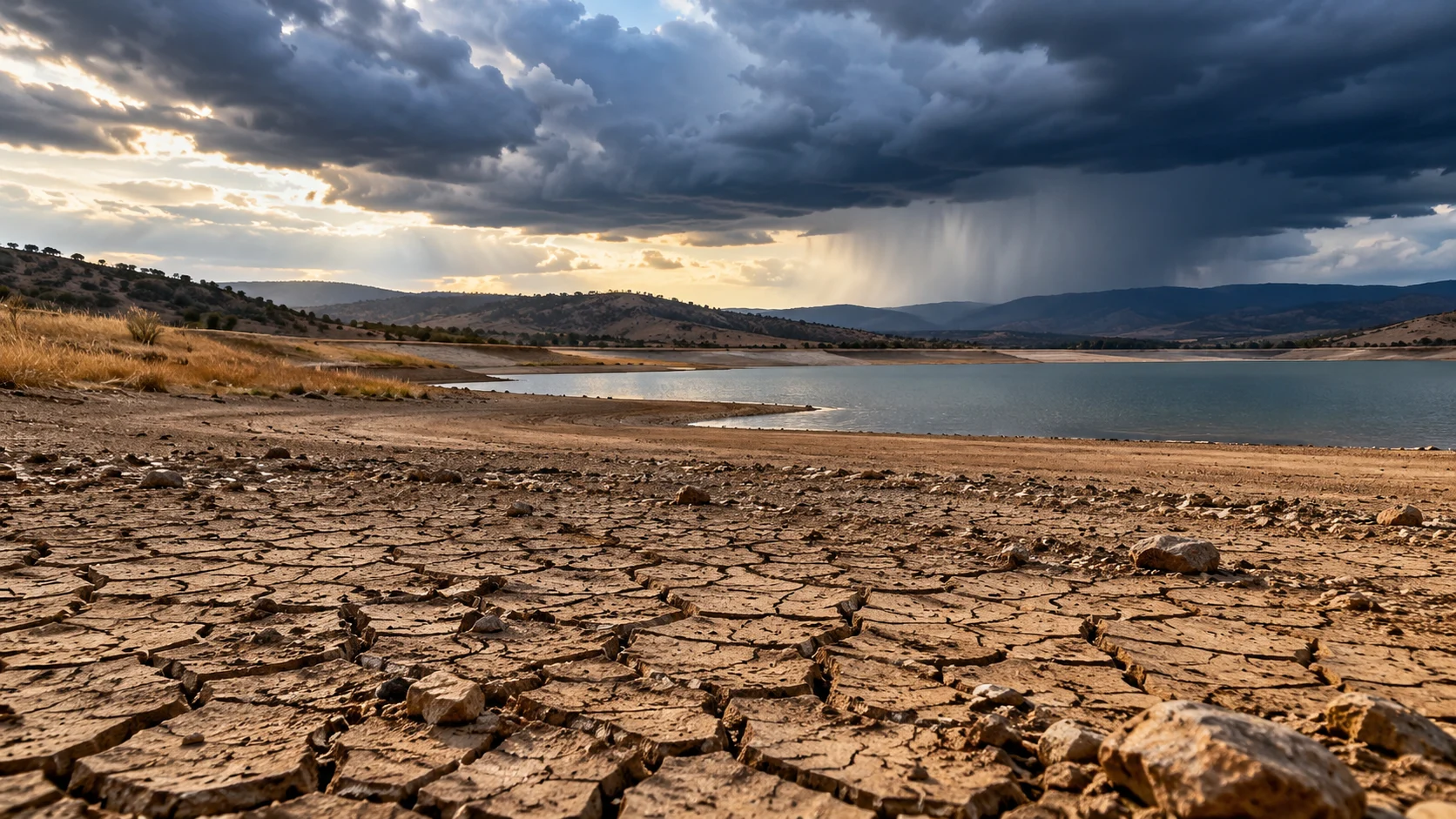
Updated October 18, 2026: The latest El Niño winter drought forecast from the National Oceanic and Atmospheric Administration (NOAA) points to improving drought conditions across much of the southern United States, the Southwest, and parts of the East Coast. However, some areas of the northern Rockies and Pacific Northwest could face renewed or worsening drought as the country enters the 2026–2027 winter season.
NOAA released its U.S. Winter Outlook on October 15, highlighting the potential influence of a strengthening El Niño on temperatures, precipitation, and drought conditions from December 2026 through February 2027. The outlook favors warmer-than-average temperatures across much of the northern United States and wetter-than-average conditions across parts of the southern tier and eastern states.
Although the forecast offers hope for communities facing water shortages, forecasters caution that seasonal climate outlooks describe probabilities rather than guaranteed weather outcomes. Rainfall distribution, storm timing, and local conditions will determine how much relief individual communities receive.
What NOAA’s Latest Winter Drought Forecast Shows
According to NOAA’s latest seasonal assessment, drought conditions are expected to improve or end in several regions, including the Southwest, Southern Great Plains, Southeast, and parts of the East Coast. The anticipated precipitation pattern associated with the strong El Niño event could provide meaningful relief to areas experiencing persistent moisture deficits.
However, the forecast is not uniformly favorable. Parts of the northern Rockies, northeastern Oregon, and eastern Washington are at increased risk of drought development or worsening conditions. Drier-than-average precipitation is also favored in parts of the northern Mountain West, the Great Lakes region, Hawaii, and Alaska.
The differences between these regions highlight an important point: El Niño does not make every part of the United States wetter or drier at the same time. Its effects depend on larger atmospheric circulation patterns, regional geography, and other climate influences.
How Much of the United States Is Currently Experiencing Drought?
Recent drought monitoring data show that dry conditions remain widespread despite improvements in some areas. As of October 13, 2026, approximately 53.73% of the contiguous United States was experiencing drought. When Alaska, Hawaii, and Puerto Rico are included, the figure for the broader U.S. reporting area was 45.05%.
These figures provide important context for the winter forecast. Even if precipitation increases in drought-affected regions, a few storms may not be sufficient to restore depleted reservoirs, replenish groundwater, or fully reverse long-term agricultural and ecological damage.
The severity of the impact also varies locally. Communities with depleted water supplies or persistent soil moisture deficits may require sustained precipitation over several months before conditions return to normal.
Why El Niño Could Bring More Rain to the Southern United States
El Niño is a naturally occurring climate pattern associated with warmer-than-average sea surface temperatures in the central and eastern equatorial Pacific Ocean. These ocean temperature changes influence atmospheric circulation and can shift the position of the jet stream, affecting storm tracks across North America.
During the upcoming winter, the strong El Niño event is expected to favor a more southerly and easterly storm track across the contiguous United States. NOAA says this pattern tilts the odds toward stormier conditions across parts of the South, Southwest, and East.
Increased precipitation could improve soil moisture, support agricultural operations, and reduce drought stress in affected areas. The potential benefits will depend on how frequently storms arrive, how much precipitation they deliver, and whether rainfall reaches the locations experiencing the greatest deficits.
El Niño is an important influence on seasonal weather, but it does not determine every individual storm. Other atmospheric conditions can strengthen, weaken, or redirect its expected effects.
Why Drought Could Worsen in the Northern Rockies
The northern Rockies and parts of the Pacific Northwest face a different outlook. Seasonal precipitation forecasts favor drier-than-average conditions in some areas, while above-normal temperatures could increase moisture losses and place additional stress on already vulnerable landscapes.
Parts of northeastern Oregon and eastern Washington are among the locations where NOAA favors drought development or worsening conditions through the forecast period. These risks could affect agricultural planning, water management, vegetation, and wildfire preparedness.
However, a seasonal forecast cannot establish exactly where drought will intensify or how severe the resulting impacts will become. Local precipitation, snow accumulation, soil moisture, and temperature trends will remain important factors throughout the winter.
Could a Wetter Winter Completely End the Drought?
Not necessarily. Above-average precipitation can help reverse drought, but recovery depends on the duration and severity of existing water shortages. A region experiencing long-term drought may need several months of favorable conditions to restore water supplies and improve groundwater levels.
Heavy rainfall can also create additional hazards. NOAA has warned that intense precipitation falling on dry or otherwise vulnerable ground can contribute to flash flooding and mudslides. Areas receiving substantial rainfall should therefore prepare for both the potential benefits of drought relief and the risks associated with excessive precipitation.
Temperature is another important consideration. A warmer-than-average winter does not automatically mean less precipitation, but it can influence snow accumulation, snowmelt timing, and the amount of water stored in seasonal snowpack. The eventual benefits for water supplies will depend partly on whether precipitation falls as rain or snow and how conditions evolve later in the season.
What the El Niño Forecast Means for Farmers and Water Managers
Farmers, water utilities, emergency planners, and residents in drought-affected communities should use the seasonal outlook as an early planning tool rather than a guarantee of future rainfall.
In regions where drought improvement is favored, continued water conservation and careful monitoring of reservoirs and groundwater remain important. Where drought could worsen, agricultural producers may need to evaluate irrigation requirements, soil moisture, and contingency plans for limited water availability.
Communities exposed to heavy rainfall or rapid snowmelt should also monitor flood risks. The same weather pattern that offers drought relief can create problems when precipitation arrives in concentrated bursts.
When Will NOAA Update the Winter Forecast?
NOAA’s seasonal climate outlooks are updated regularly as new observations and forecast model information become available. The next scheduled monthly update to its three-month outlook is November 19, 2026.
That update should provide an opportunity to reassess the expected temperature and precipitation patterns as the winter season approaches. Residents should continue following local National Weather Service forecasts and official drought monitoring reports for information specific to their communities.
El Niño Winter Drought Forecast: What Happens Next?
The October 2026 outlook points to a divided drought picture across the United States. Parts of the southern U.S., Southwest, and East Coast have better prospects for drought improvement, while portions of the northern Rockies and Pacific Northwest face an elevated risk of renewed dryness.
The strengthening El Niño is a major factor behind the forecast, but its influence will interact with regional weather conditions throughout the winter. The amount, timing, and location of precipitation will ultimately determine whether drought conditions improve substantially or persist in affected areas.
For now, the outlook provides a reason for cautious optimism in several drought-stricken regions, alongside a clear warning that water management and local weather preparedness will remain essential during the 2026–2027 winter season.