
In its October 14 operational update, PJM said it had not identified a reliability need to use the specified generating resources listed in the emergency order for the October 15 and October 16 operating days. The operator also said emergency system conditions were not expected to continue beyond October 14. However, the federal order remains in effect through October 16, leaving PJM with additional options if grid conditions change.
Why the Power Grid Emergency Order Was Issued
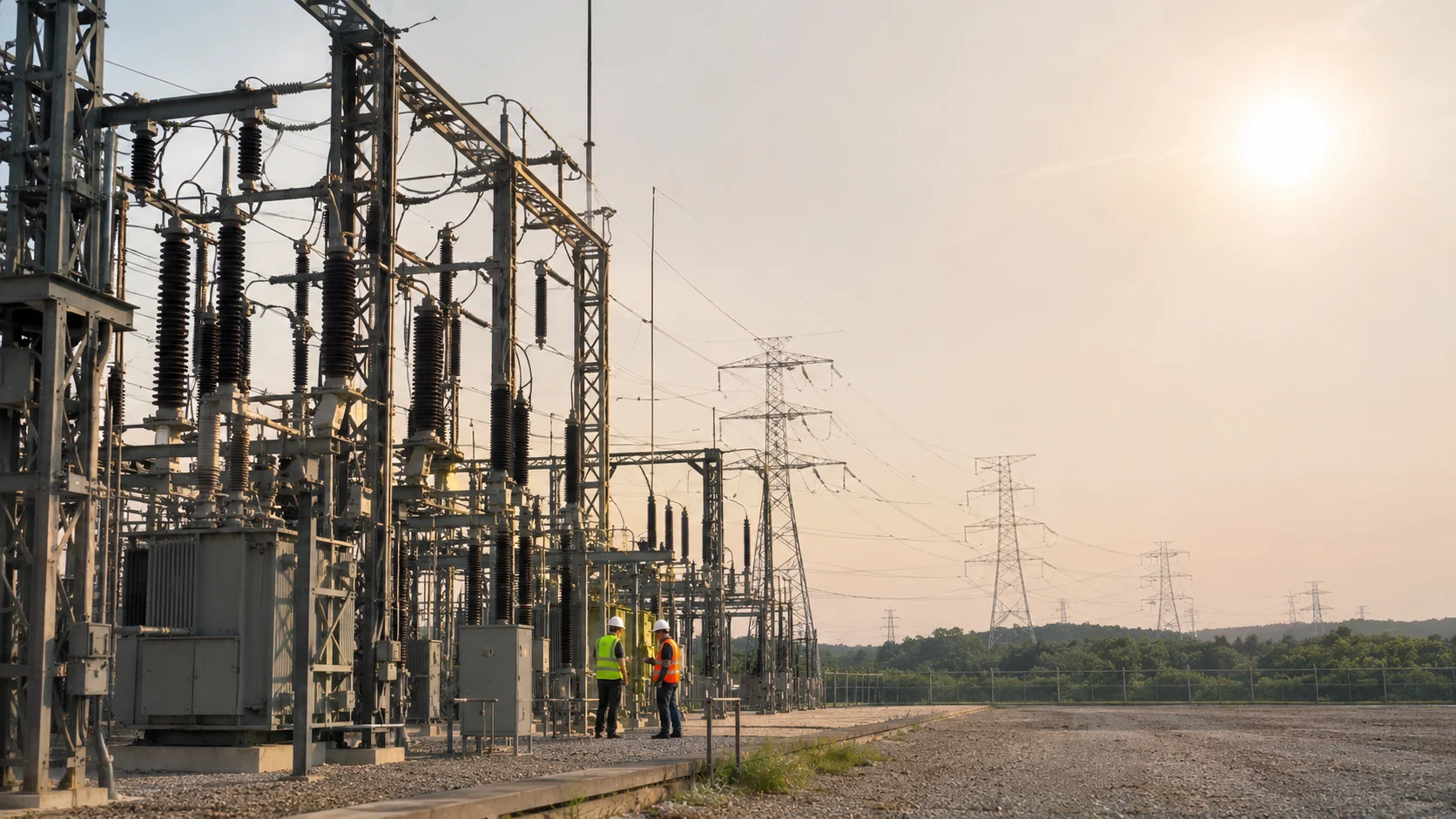
The emergency order followed concerns about rising electricity demand, unusually warm autumn weather and scheduled maintenance affecting power generation and transmission infrastructure. During the fall maintenance season, utilities routinely take generating units and transmission facilities offline to complete repairs, upgrades and other work before winter demand increases.
When several power plants and transmission lines are unavailable at the same time, grid operators may have less flexibility to balance electricity supply with demand. Transmission outages can also limit the amount of electricity that can move between different parts of a regional network, making it more difficult to respond to localized shortages.
PJM introduced operational measures to manage the expected strain, including generation alerts, capacity advisories and demand-response procedures. The federal emergency order provides additional flexibility by authorizing the operator to dispatch specified generating units and direct their operation when needed to maintain reliability. It also provides temporary relief from certain environmental operating permit restrictions for designated generators.
What the Order Allows PJM to Do
Under the directive, PJM can call on specified electricity generation resources to help meet demand and maintain a reliable supply. The order also authorizes PJM, as a last resort before declaring the highest-level Energy Emergency Alert or while that alert is in effect, to direct backup generation resources at data centers and other large electricity-consuming commercial and industrial facilities to operate when necessary.
These facilities may have backup power equipment intended to support operations during an interruption to their normal electricity supply. Making those resources available during a serious grid emergency can provide another option for balancing electricity demand and available generation.
The order does not automatically require every listed power plant to operate at full capacity. PJM’s instructions and assessment of actual system conditions determine whether the specified resources are needed. The operator’s October 14 notice specifically stated that it did not anticipate needing the designated resources for the remaining operating days covered by the order.
Which States Are Covered by the Emergency Order?
The order applies to PJM Interconnection’s regional electricity network, which covers all or parts of Delaware, Illinois, Indiana, Kentucky, Maryland, Michigan, New Jersey, North Carolina, Ohio, Pennsylvania, Tennessee, Virginia and West Virginia, as well as the District of Columbia.
This does not mean that every community across those states is facing an electricity emergency or that every utility must impose power restrictions. The order concerns the operation of the regional grid and gives PJM additional tools to respond to potential supply and reliability problems within its service territory.
What It Means for Residents and Businesses
The emergency order is a precautionary reliability measure, not an announcement of scheduled blackouts. PJM stated that its generation and load-management alerts did not require general action from customers. Ordinary electricity use can continue unless a utility or grid operator issues specific instructions.
Demand-response programs may nevertheless be used when conditions become tight. Depending on the circumstances, participating businesses and other enrolled customers could be directed or asked under applicable program arrangements to reduce electricity consumption or switch to backup generation. Such measures help operators manage peak demand while protecting the stability of the wider electricity network.
Residents should rely on official communications from their electricity providers for any local conservation requests or service updates. A regional emergency order alone does not establish that a particular home or business will lose power.
What Happens Next?
PJM will continue monitoring electricity demand, generation availability and transmission conditions for the remainder of the order’s effective period. Although its October 14 notice indicated that emergency system conditions were not expected to persist beyond that date, the temporary federal authority remains available through October 16 should circumstances change.
The latest operational update points to improving conditions, but it also highlights the importance of maintaining adequate generation and transmission capacity as electricity demand fluctuates. Planned maintenance, weather conditions and the availability of power resources can all influence how much flexibility grid operators have during periods of heavy demand.
For now, the key distinction is that the power grid emergency order provides PJM with additional authority to prevent electricity shortages; it does not mean that widespread blackouts have been announced. The next developments will depend on the region’s actual operating conditions and whether the grid operator determines that further emergency measures are necessary before the order expires.