
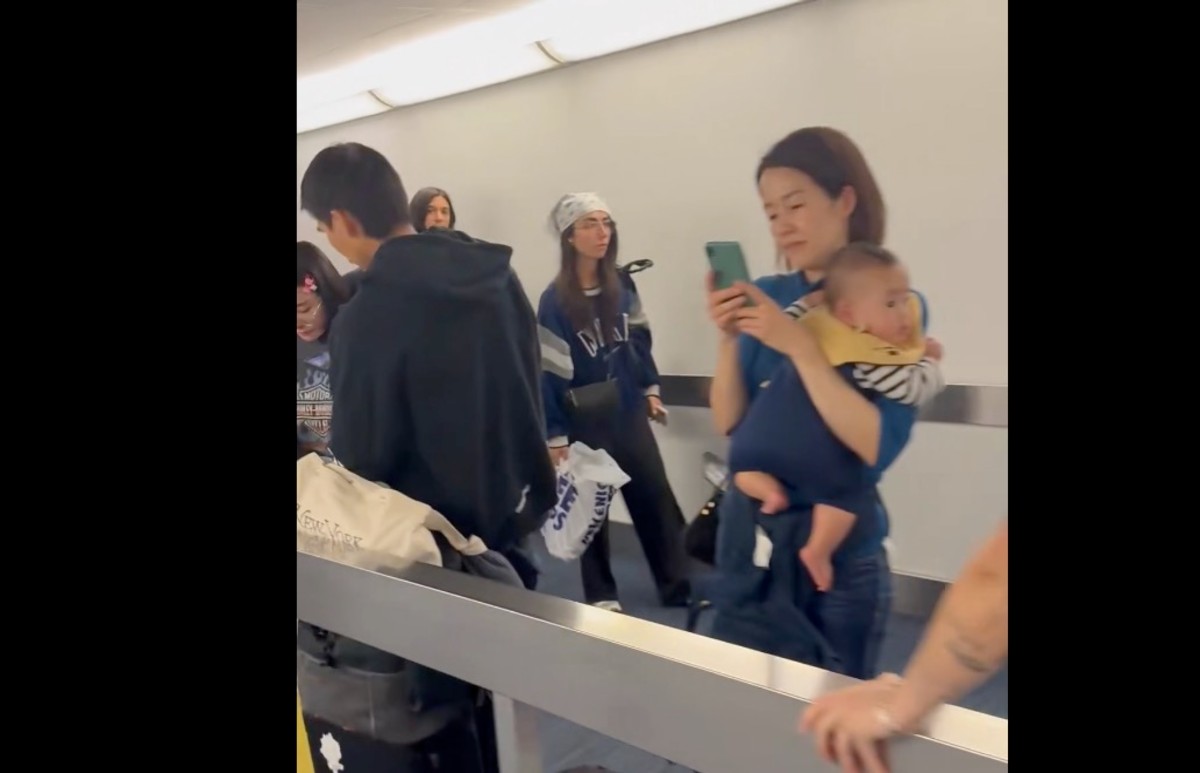
Passengers arriving on international flights at John F. Kennedy International Airport late on the night of October 10, 2026, encountered significant processing delays after a U.S. Customs and Border Protection system outage slowed screening of inbound travelers. A video shared by one traveler captured crowded hallways where people stood and sat with luggage, highlighting the disruption that followed an 11-hour flight.
The official JFK Airport account confirmed the issue was a technical problem with CBP systems rather than an absence of personnel. Airport officials stated that the outage was affecting the screening of inbound international customers and advised travelers to expect longer processing times while CBP worked to resolve it. A subsequent update described it as a nationwide system issue, and later reports indicated systems were coming back online before normal operations resumed, with residual delays still possible.
What Travelers Experienced on the Ground
One passenger, after landing from a long-haul flight around 11 p.m. local time, posted that customs appeared unstaffed and sought assistance. The accompanying video shows a dense crowd filling arrival corridors, with travelers leaning on railings, standing in lines, and some resting on the floor amid backpacks and suitcases. Industrial fans were visible in the space, and the scene extended into larger areas filled with hundreds of people. Other reports from the period noted pregnant women and elderly passengers among those waiting, with estimates from travelers of more than 1,000 people in the lines at points.
https://x.com/RachelEllenEck/status/2109117155459432643
JFK Airport responded directly to the post, noting that appropriate channels had been contacted for assistance and that on-site employees could provide hands-on help. The airport also publicly addressed the broader situation, emphasizing patience while the technical issue was addressed. Systems began returning to service later that night, and a further update confirmed that CBP systems had resumed normal operations, though inbound international customers might still encounter some residual delays as processing returned to full capacity.
Official Confirmation and Scope of the Outage
According to statements from the airport, the disruption stemmed from a CBP system outage impacting screening at JFK. Officials described it as a nationwide system issue affecting the ability to process arriving international passengers efficiently. This led to extended wait times in the immigration and customs areas across relevant terminals. There were no indications in official communications that the facility was unstaffed; instead, the focus was on the electronic systems required for standard screening procedures.
Typical passport-control waits at JFK average around 20 to 25 minutes based on recent CBP data, with variations by time of day, terminal, and traveler status. U.S. citizens often clear faster than visitors, and programs such as Global Entry or Mobile Passport Control can reduce times significantly. Late-night arrivals can sometimes see shorter lines under normal conditions, but a system outage overrides those patterns by limiting or slowing the ability of officers to process passengers electronically. In such cases, alternative manual procedures may be used, which further extends wait times and can cause backups into hallways and corridors.
Context for International Arrivals at JFK
John F. Kennedy International Airport handles a high volume of international arrivals across multiple terminals, including Terminal 4, Terminal 1, Terminal 8, and others. After deplaning, passengers proceed to passport control for immigration processing by CBP officers, followed by baggage claim and customs. System issues at this stage create cascading effects, as flights continue to arrive and passengers accumulate while processing capacity is reduced.
The airport’s social media updates provided the primary real-time information during the incident. Travelers were directed to seek help from airport employees on site, and the account monitored responses into the early morning hours. By later updates, systems were reported restored, allowing a return toward standard operations. Residual delays are common after such outages as the backlog of passengers is cleared and normal staffing and system rhythms resume.
Implications and Traveler Considerations
Incidents like this underscore the reliance of modern border processing on electronic systems for efficiency and security checks. When those systems experience outages, even with personnel present, throughput drops sharply and wait times rise. For passengers connecting to other flights, the delays can complicate schedules, while those meeting ground transportation or heading into the city face extended time on site.
Travelers arriving internationally at JFK are advised to monitor airport communications, use available apps such as Mobile Passport Control where eligible, and allow extra time after long flights. Enrollment in Global Entry remains one of the most effective ways to expedite the process under normal conditions. In the event of reported technical issues, patience is required as officials work through restoration, and on-site airport staff can assist with immediate needs.
The episode on the night of October 10 into October 11 resolved with systems returning to normal operations. Passengers who experienced the delays described crowded conditions and long waits, consistent with the effects of a processing system outage rather than a complete lack of staffing at the customs and immigration facilities.