
FLORIDA — A massive wave of Florida power outages is sweeping across the state as Hurricane Isaias, the first hurricane of the 2026 Atlantic season to make landfall on the U.S. coast, brings ferocious 110 mph winds, severe flooding, and widespread infrastructure damage to the Gulf Coast region.
Hundreds of Thousands Left in the Dark
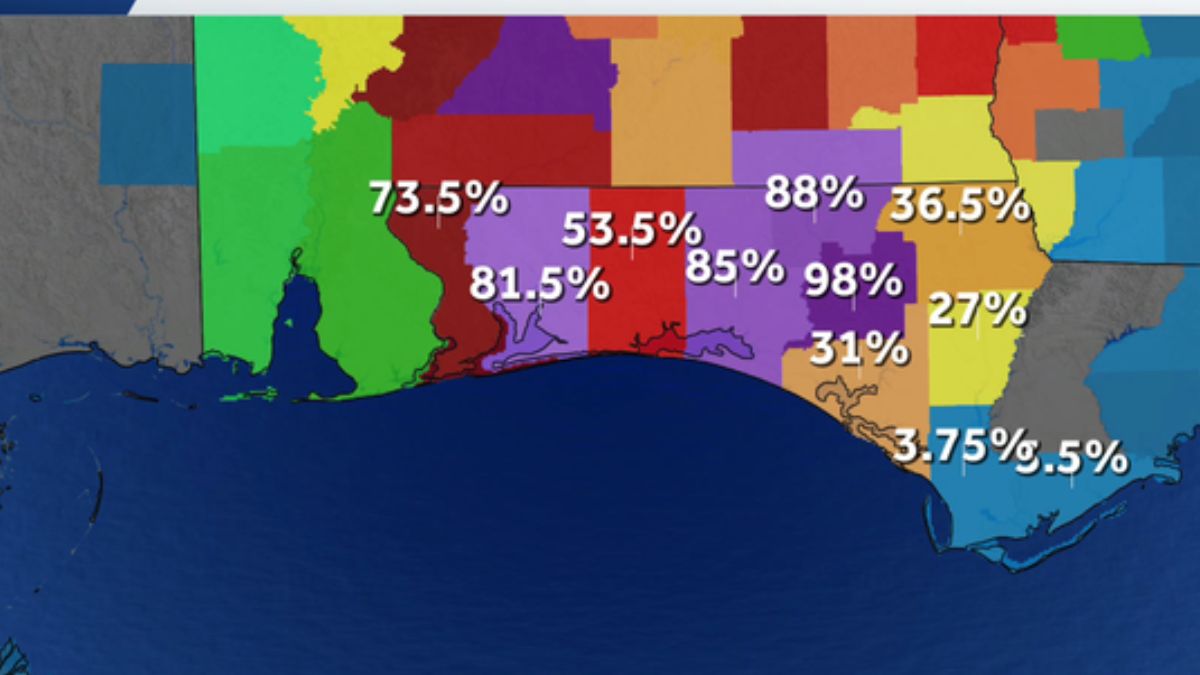
The violent storm system has disrupted electricity supplies for vast swaths of the state. At the height of the storm’s impact, over 900,000 residents and businesses lost electricity. Current tracking data indicates that more than 421,000 customers remain without power as utility crews battle hazardous conditions to assess the damage and begin restoration efforts.
Hardest-Hit Counties and Utility Response
The Florida Panhandle has borne the brunt of the storm’s fury. Escambia County is currently the hardest-hit area, with over 132,000 residents—representing more than 76% of the county’s utility customers—left in the dark. Neighboring regions, including Walton, Santa Rosa, and Okaloosa counties, are also experiencing severe localized blackouts.
Major utility providers, including Florida Power & Light Company (FPL) and Choctawhatchee Electric Cooperative, have deployed emergency response teams. FPL alone has reported over 328,000 affected customers across its grid. Utility officials have warned residents to prepare for extended Florida power outages as crews face downed trees, flooded roadways, and damaged transmission lines.
Travel and Infrastructure Disruptions
Beyond the widespread electrical failures, Hurricane Isaias has significantly disrupted regional travel and daily life. Severe flooding has washed out local roads and damaged buildings. The aviation sector has also taken a heavy hit, with most flights at several Panhandle airports grounded. The Destin-Fort Walton Beach Airport was forced to suspend all incoming and outgoing flights until severe weather conditions subside.
State and federal emergency management agencies are actively coordinating relief efforts. In light of the ongoing crisis, major public events have been adjusted, and federal officials are prioritizing immediate disaster response over scheduled travel to ensure emergency services operate without interruption.
Residents are urged to stay clear of downed power lines, utilize battery-operated radios for emergency broadcasts, and monitor official utility trackers for the latest restoration timelines.