
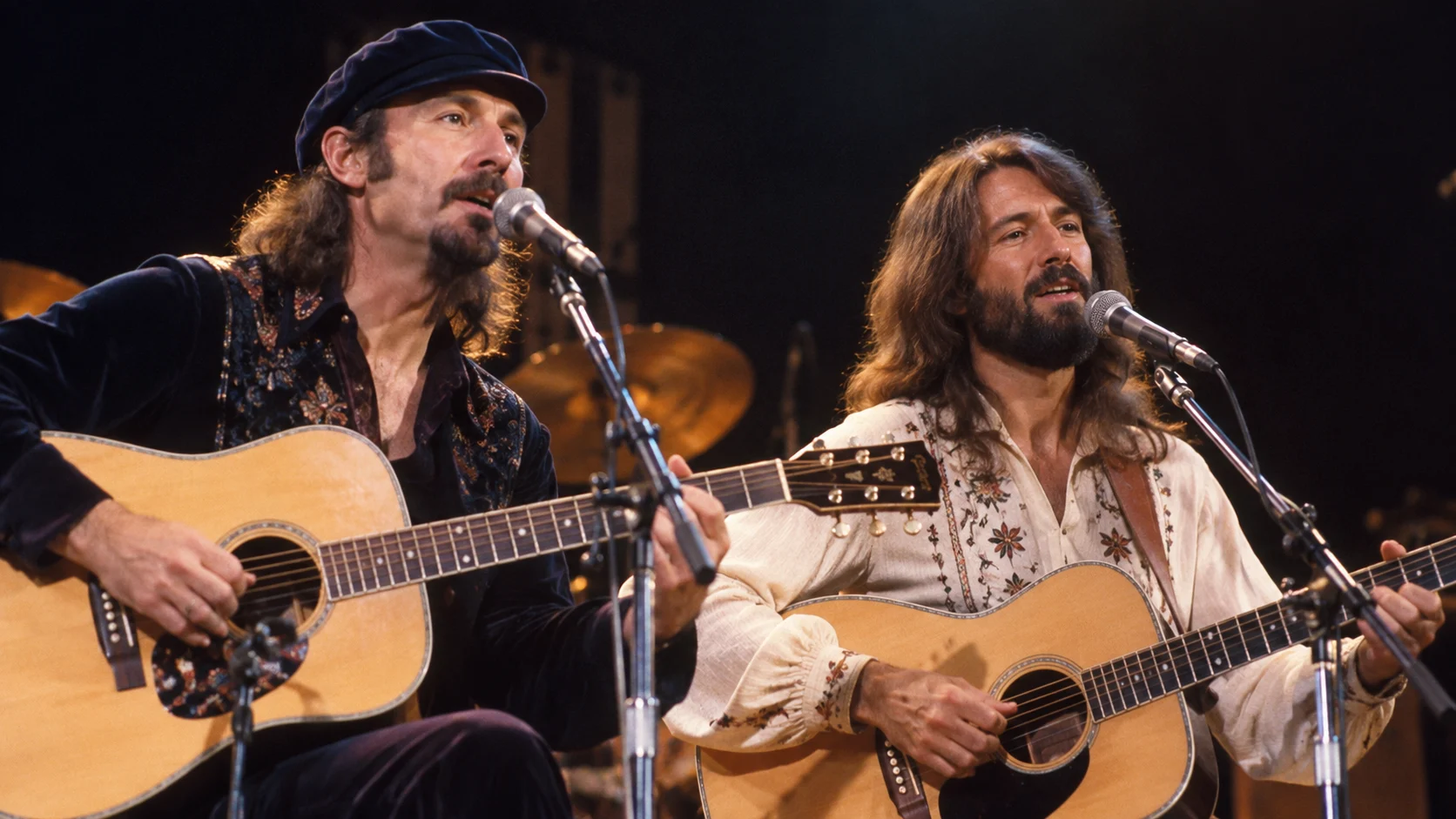
Jim Seals helped shape the sound of American soft rock through his work with longtime musical partner Dash Crofts in the duo Seals & Crofts. Known for melodic songwriting, smooth vocal harmonies, and songs such as “Summer Breeze,” “Diamond Girl,” and “Get Closer,” the pair became one of the best-known acts of the 1970s soft-rock era. Renewed attention returned to their musical legacy in March 2026 following Crofts’ death, four years after Seals died in June 2022.
How Jim Seals Began His Music Career
Born James Eugene Seals in Texas, Seals developed an interest in music at an early age. He learned to play the fiddle as a child and later explored other instruments, including the saxophone and guitar. His early musical experiences helped him develop the instrumental skills that would become an important part of his later work.
Seals met Dash Crofts while both were involved in the Texas music scene. The pair eventually became members of The Champs, the band associated with the instrumental hit “Tequila.” Seals played saxophone, while Crofts played drums. Their experience performing with established musicians gave them valuable exposure to professional recording and live performance.
After working with other musicians, including a group associated with Glen Campbell, Seals and Crofts pursued their own musical direction. They established themselves as a duo in the late 1960s, developing a sound that blended folk, pop, country, and rock influences.
Seals & Crofts and the Rise of Soft Rock
The duo released its self-titled debut album in 1969, followed by additional recordings as they refined their musical identity. Their early releases attracted attention, but their major commercial breakthrough arrived in 1972 with the album “Summer Breeze.”
The title track became one of the defining songs of their career. Its relaxed arrangement, acoustic instrumentation, and memorable vocal harmonies captured the appeal of soft rock during a period when audiences were embracing music with a gentler sound than hard rock.
Seals and Crofts followed that success with “Diamond Girl” in 1973. The album and its title track performed strongly on the U.S. charts, establishing the duo as a major presence in popular music. Their approach combined accessible melodies with carefully arranged vocals, helping distinguish them from other artists competing for radio audiences during the decade.
The duo continued releasing popular songs, including “We May Never Pass This Way (Again),” “Hummingbird,” and “Get Closer.” These recordings expanded their catalog and demonstrated their ability to balance romantic themes, reflective lyrics, and polished musical arrangements.
The Musical Style That Defined Jim Seals’ Career
Jim Seals’ contribution to Seals & Crofts extended beyond his singing. His instrumental background and musical partnership with Crofts helped establish the duo’s distinctive sound. Their recordings often featured acoustic guitars, layered harmonies, gentle rhythms, and melodies designed to complement the lyrics rather than overwhelm them.
Their work also reflected their interest in the Baháʼí Faith, which both musicians embraced during the 1960s. Ideas involving spiritual awareness, peace, love, and human unity influenced aspects of their songwriting and public identity.
Not every release escaped controversy. In 1974, the duo released “Unborn Child,” a song expressing an anti-abortion position that generated significant public debate. Some radio stations declined to play it, and the group faced protests at performances. The response illustrated how the pair’s spiritual convictions sometimes brought them into politically contentious discussions.
Why Seals & Crofts Split Up
By the end of the 1970s, musical tastes in the United States were changing. Disco, new wave, and other styles were gaining ground, while many established soft-rock acts faced a different commercial environment. Seals & Crofts separated in 1980 after their run of major chart successes had begun to fade.
Although the partnership paused, the musicians remained connected to their music. Seals later performed with his younger brother, Dan Seals, who became known as one half of the pop duo England Dan & John Ford Coley. Jim Seals also reunited with Crofts for performances in the 1990s.
The pair returned to the studio in 2004 to record “Traces,” a reunion album that revisited their musical partnership. Although they did not recreate their commercial peak of the 1970s, the project demonstrated that their collaborative relationship remained an important part of their artistic lives.
Jim Seals’ Legacy After 2022
Jim Seals died on June 6, 2022. Reports published at the time confirmed his death and remembered his role in the soft-rock duo. His longtime musical partner, Dash Crofts, died on March 25, 2026, according to reports published the following day. Crofts’ death brought renewed coverage of the partnership that had produced some of the pair’s most recognizable recordings.
Their influence continues through a catalog that includes enduring songs from the 1970s. Their music has also been performed by later artists, while projects such as Seals & Crofts 2 have introduced elements of their repertoire to additional audiences.
Jim Seals’ soft-rock career is remembered for its combination of strong melodies, understated instrumentation, and close vocal harmonies. Alongside Dash Crofts, he helped establish a musical identity that stood apart from harder-edged rock and the dance-driven sounds that later dominated popular music. Their recordings remain an important part of the history of American soft rock, with “Summer Breeze” and “Diamond Girl” among the best-known examples of their work.